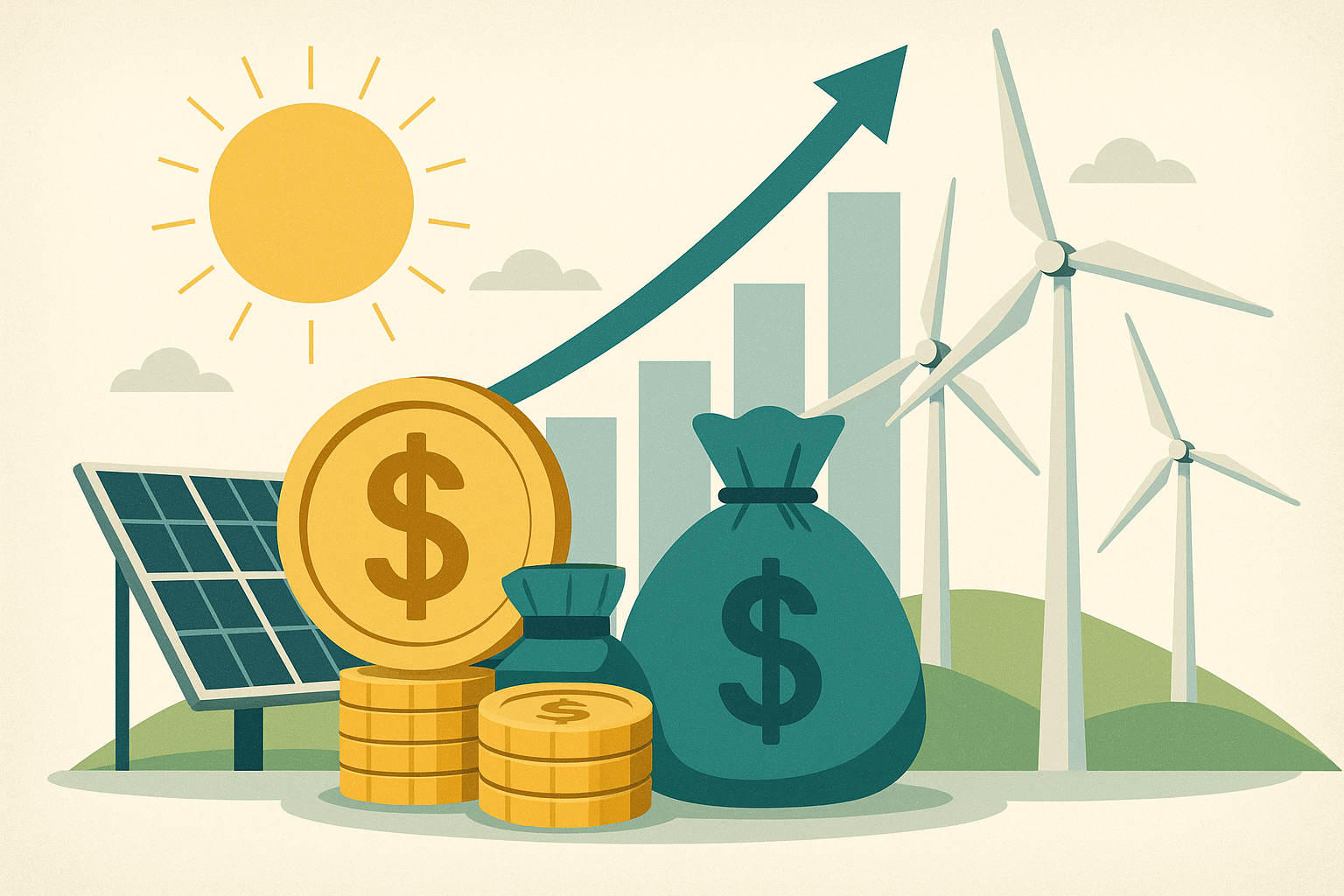
Green energy is moving from niche to mainstream as technology, policy, and consumer demand align to cut emissions, lower costs, and increase resilience. Whether you’re a homeowner, a small business owner, or a decision-maker in local government, understanding practical pathways to adopt renewables and efficiency can unlock immediate savings and long-term benefits.
Why green energy matters
– Lower operating costs: Solar panels, heat pumps, and efficient appliances reduce monthly energy bills and protect against volatile fossil-fuel prices.
– Increased resilience: On-site generation with battery storage keeps essential systems running during outages.
– Environmental impact: Switching to renewables cuts greenhouse gas emissions and pollution.
– Economic opportunities: Renewables create jobs and stimulate local investment.
Affordable entry points for homeowners and businesses
– Energy audit first: A professional audit or DIY assessment identifies the highest-impact upgrades — insulation, air sealing, LED lighting, and efficient HVAC deliver fast returns.
– Solar with smart sizing: Start with rooftop solar sized to cover daytime loads. Pairing panels with an appropriately sized battery moves you closer to outage protection and higher self-consumption, especially if you have an electric vehicle or daytime appliances.
– Heat pumps for heating and cooling: Modern air-source heat pumps work efficiently in many climates and replace fossil-fuel furnaces and boilers, cutting emissions and often utility costs.
– Smart controls and building automation: Smart thermostats, load management, and scheduling reduce waste and shift energy use to cheaper, cleaner hours.
Businesses benefit from demand management to lower peak charges.
Financing and incentive pathways
– Explore local incentives and rebate programs that reduce upfront costs and improve payback.
– Consider financing options such as loans, leases, or power purchase agreements (PPAs) that align payments with energy savings. Some jurisdictions offer property-linked financing that spreads costs over time.
– Look for bundled programs from utilities or community groups that combine energy assessments, contractor vetting, and bulk purchasing discounts.
Emerging trends shaping the market
– Battery storage is becoming more cost-effective, enabling longer backup durations and greater use of self-generated electricity.
– Grid-edge technologies, including vehicle-to-grid (V2G) and smart inverters, allow distributed assets to support grid stability and unlock new revenue streams for owners.
– Green hydrogen and long-duration storage solutions are gaining traction for decarbonizing heavy industry and balancing seasonal variations in supply and demand.
– Floating offshore wind and larger-scale renewable projects are expanding the potential supply of clean power, especially for coastal regions.
Practical steps to move forward
1. Measure: Start with a utility bill review and an energy audit to prioritize measures.
2. Plan: Create a roadmap that sequences low-cost efficiency first, then renewables and storage.
3. Finance: Compare incentives and financing to minimize upfront cash outlay and maximize savings.
4. Implement: Hire vetted contractors, request performance guarantees, and prioritize warranties and monitoring.
5. Monitor and optimize: Use monitoring tools to track performance and adjust behavior or system settings for ongoing gains.

Common pitfalls to avoid
– Skipping efficiency before installing renewables can lead to oversized systems and wasted investment.
– Failing to evaluate total cost of ownership, including maintenance and inverter/battery replacement costs.
– Accepting overly optimistic production estimates without site-specific shading or weather analysis.
Adopting green energy is both a practical financial decision and a strategic resilience move. By combining efficiency, smart planning, and the right mix of technologies, homes and businesses can reduce emissions, save on energy costs, and become more resilient to disruptions. Start small, prioritize high-impact measures, and build toward a cleaner, more reliable energy future.